Air Cleaning
Objective 1.1. Investigations of plasma-catalyst interactions
Objective 1.2. Plasma-catalysis for exhaust air treatment
Objective 1.3. Plasma-photocatalysis for indoor air decontamination
 Environmental Applications of electrical Discharges for Water and aIr Cleaning,
and agriculturE
Project funded by EU NextGenerationEU through the Recovery and Resilience Plan for Slovakia under the project No. 09I03-003-V03-00033 EnvAdwice
Electrical discharges that generate non-thermal (cold) plasmas (NTP) at ambient pressure are widely used in a growing number of applications, and have significant potential within various advanced industrial processes, environmental technologies, sustainable agriculture, and medicine. NTP plasma is considered a powerful tool for initiating reactive chemical processes in gases, liquids, and material surfaces. NTP is a partially ionized gas consisting of electrons, ions, excited and ground state molecules, atoms, and radicals. These applications are based on the cold plasma chemical effects, where particles and radicals generated in the plasma initiate processes in gases and liquids that occur neither in classical conditions, nor in equilibrium (thermal) plasma.
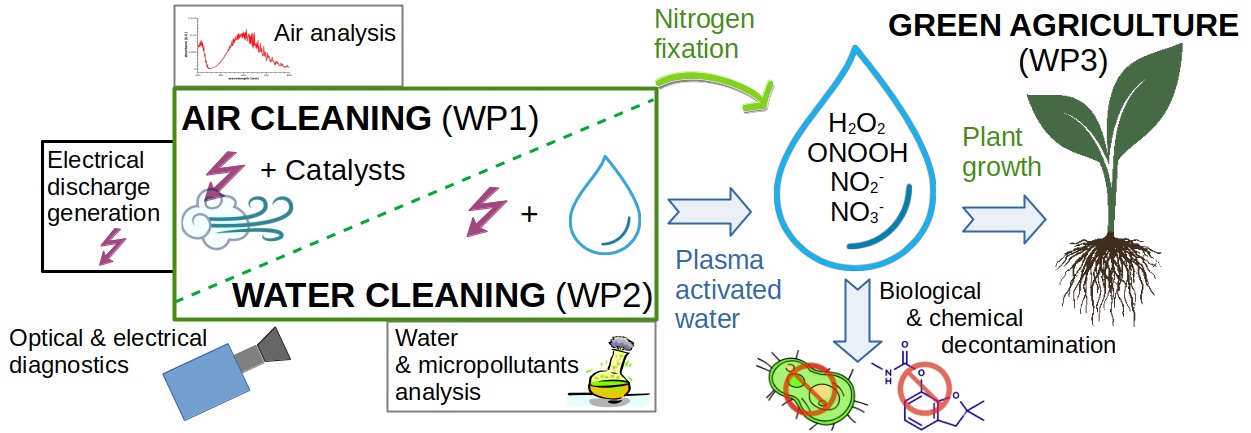
This project centers on the practical application of nonthermal plasma generated by electrical discharges. A primary focus of the project is air cleaning, explored in Work Package 1 (WP1), utilizing plasma both with and without supplementary catalysts. Water treatment and activation represent another crucial aspect, detailed in WP2, also leveraging nonthermal plasma technology. The project investigates the efficacy of different electrical discharge methods for generating the necessary plasma, using advanced optical and electrical diagnostic techniques. WP1 specifically examines the role of catalysts in enhancing plasma's effectiveness for air purification. WP2 delves into the mechanisms by which plasma interacts with and purifies water. A novel application of plasma-activated water is explored in WP3 for agricultural purposes. WP3 will specifically test the effects of plasma-treated water on seed germination and plant growth.
The project aims to bridge the gap between fundamental research on nonthermal plasma and its real-world applications. The findings from WP1, WP2, and WP3 will contribute to the development of sustainable and innovative environmental and agricultural solutions.
Besides scientific work packages, projects also includes WP4 (Administration and management), and WP5 (Dissemination and exploitation). Providing administrative and management support (WP4) for the effective fulfilment of the scientific objectives of the project is essential to meeting the scientific objectives. Within WP5, the project will ensure dissemination in open-access highly reputed scientific journals and at international conferences.
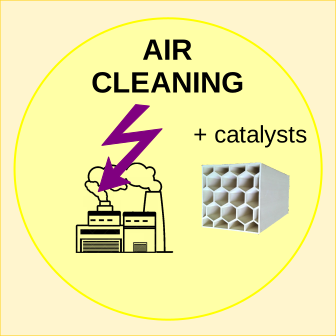
Objective 1.1. Investigations of plasma-catalyst interactions
Objective 1.2. Plasma-catalysis for exhaust air treatment
Objective 1.3. Plasma-photocatalysis for indoor air decontamination
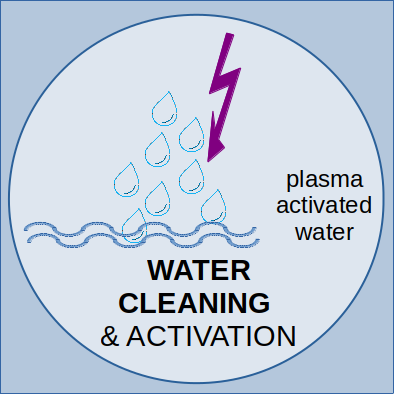
Objective 2.1. Investigations of electrical discharges interacting with water
Objective 2.2. Diagnostics of micropollutants and reactive particles in plasma-activated water
Objective 2.3. Plasma wastewater treatment
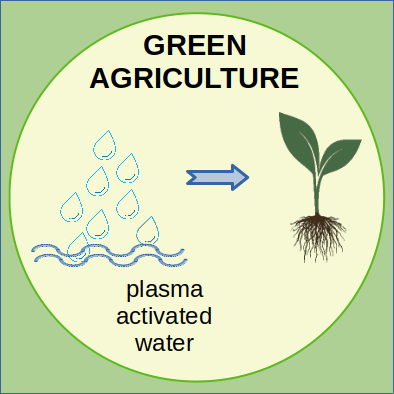
Objective 3.1. Electrical discharges with water for nitrogen fixation
Objective 3.2. Plant growth promotion by plasma-activated water
Objective 3.3. Towards optimization and scale-up of plasma-activated water systems
To bring more light into the mutual interaction of electrical discharges and catalytic materials and to induce synergistic effects that can be exploited in environmental applications, we investigate the properties of discharges generated on surfaces, in capillary tubes, cavities, and pellets of materials with catalytic properties, by various electrical and optical diagnostic methods. The understanding of the mechanisms of plasma- catalysts interaction will lead us to testing exhaust gas cleaning and indoor air decontamination from odors, pollutants and pathogenic bio-aerosols.
The complexity of the system where the gas discharge is generated in contact with liquids or catalysts implies high demands on the diagnostic methods to study the electrical discharges, the treated gas, and the plasma activated water (PAW). Monitoring PAW-induced effects on microorganisms and plants requires another set of diagnostic methods. For simplicity, the applied techniques are divided into several groups, described in individual subsections.
Electrical discharges forming non-thermal plasma will be generated by different types of high voltage power supplies (DC, AC, or pulsed), depending on the specific application. Our lab is equipped with many power supplies (DC; AC; pulsed).
We investigate several configurations of electric discharges in contact with materials of different shapes, composition and catalytic properties (e.g. TiO2, ZrO2, BaTiO3, Pt) and their plasma chemical effects. Namely: 1) Discharges in capillary tubes to mimic automotive catalysts with a similar geometric structure. 2) Discharges in pellets for the elementary studies of plasma-catalyst interaction and chemical processes in plasma catalysis. Besides the laboratory scale plasma-catalytic systems for exhaust air cleaning, we will also test larger devices for indoor cleaning where plasma will be combined with TiO2 photocatalysis, ozonation and UV irradiation.
Electrical discharge characteristics will be measured by the high voltage probes and current monitors. The measured signals will be recorded by digital oscilloscopes. These measurements are needed for the calculation of the power input and energy efficiency of the plasma cleaning processes.
Optical emission spectroscopy, both time-integrated and nanosecond time-resolved will be used to investigate the physical characteristics of the studied discharges, both with and without water. We will attempt to determine the temperature of electrons, electron density or the reduced electric field strength. Intermediate reactive species will be identified.
We use several diagnostic methods for monitoring the concentrations of gaseous products. UV-Visible absorption spectroscopy will be used for the detection of NO, NO2, O3, and HNO2. Infrared absorption spectroscopy, which is more versatile than UV-Visible spectroscopy, allows us to analyse the plasma treated gases, e.g. HNO3, N2O, CO, CO2 and almost all volatile hydrocarbons can be detected. A Fourier transform infrared (FT-IR) spectrophotometer is be used. High sensitivity can be used when using 5 and 8 m long multi-pass absorption gas cells. To complement the gas analysis, gas chromatography equipped with FID and TCD detectors is used. This gas chromatograph is couples to a new mass spectrometer (MS). Using a combined GC-MS device, precise identification of many unidentified gaseous products is possible.
One of the most efficient ways to activate water with plasma-generated reactive particles is making aerosol microdroplets, either by ultrasonic or mechanical nebulizers or by using high voltage nozzle that generates electrospray. We use several types of fast cameras that enable recording videos with a high frame rate, to visualize the nebulized and electrosprayed water microdroplets and to measure their size. We also employ an optical particle sizer for this need, which allows counting microdroplets and particles with sub-micron sizes and obtain their size distributions.
Plasma-activated water and water solutions are typically acidified and contain various reactive oxygen and nitrogen species delivered from the plasma discharge. We monitor the pH of PAW by calibrated pH meters its conductivity, total dissolved solids and oxidation-reduction potential. The concentrations of nitrites (NO2-), nitrates (NO3-) and hydrogen peroxide (H2O2) and ozone (O3) in PAW are detected by the colorimetric methods (UV/VIS absorption spectrophotometer and microplate-reader ). Fluorescence spectrometry is used for hydroxyl radicals (OH), peroxynitrites (ONOO-) and O3 detection.. We plan to apply calibration-free laser induced breakdown spectroscopy (LIBS) for the analysis of polluted water contaminants, either by drying the sample on pure Si substrate, or by using the droplet levitation technique. We are acquiring new infrastructure for detailed and even more precise and more reliable liquid diagnostics including the organic components and ions, such as high precision liquid chromatography (HPLC) and ion chromatography (IC).
One of the key objectives of the project is to achieve improvement in the cultivation of agricultural seeds and enhance the growth on plants by using PAW. PAW is a source of nitrogen exploitable by plants in the form of nitrates, and also contains many reactive oxygen species stimulating various physiological processes, such as e.g. seed germination. We perform seed germination and early seedling growth in controlled laboratory conditions in pots, in hydroponic and aeroponic systems, as well as under outdoor conditions that simulate the field farming. We will monitor the water intake of PAW by the seeds and their imbibition rate. We will determine selected growth parameters (length of roots and shoots, number and quality of leaves, fresh and dry weight of seedlings and plants, key vitality indexes, photosynthesis parameters, antioxidant enzymes and growth factors, etc., in some cases in outdoor conditions even fruit and seed production) to determine an optimal dose and application of PAW. Lignification of the root tissues will be observed by optical and fluorescence microscopy on the lignin deposition on the free hand sections of the roots. The scientific aim is to understand the correlation between the seed germination induction and the quality of plant growth parameters.
Micropollutant water pollution represents a challenge for conventional wastewater treatment technologies. Micropollutants are typically of organic nature, include low concentration pharmaceutical contaminants (e.g. various drugs, hormones, antibiotics), trace pesticides from agriculture, microplastics, as well as associated microbes. Plasma effects on microorganisms in model wastewater on in bio-aerosols or on seed/seedling germination/early growth is tested on model bacteria and yeast. . For microbiological cultivation we will use a sterile box equipped with laboratory glass, balances, pipettes, vortex, autoclave and a thermostat for a controlled microbial growth. Antimicrobial effects are examined by cultivation methods by comparing with fluorescence microscopy visualization and various fluorescence staining methodsin reference and treated water. Chemical low concentration contaminants, their degradation and by-products will be thoroughly analyzed by various sensors, UV-vis absorption spectroscopy, HPLC, and ion chromatography.
In this section we will present our results and outcomes related to/funded by EnvAdwice project.
Janda, M., Stancampiano, A., di Natale, F., Machala, Z., 2025. "Short Review on Plasma–Aerosol Interactions," Plasma Processes and Polymers 22, 2400275.
https://doi.org/10.1002/ppap.202400275
Vazquez T, Lavrikova A, Wiedermann D, Babic J, and Machala Z, Indoor Air Cleaning By Non-Thermal Plasma And Photocatalysis, 25th Symposium on Applications of Plasma Processes (SAPP XXV) & the 14th EU-Japan Joint Symposium on Plasma Processing, Štrbské Pleso, Slovakia, January 31 - February 5, 2025, pp.74-76
download
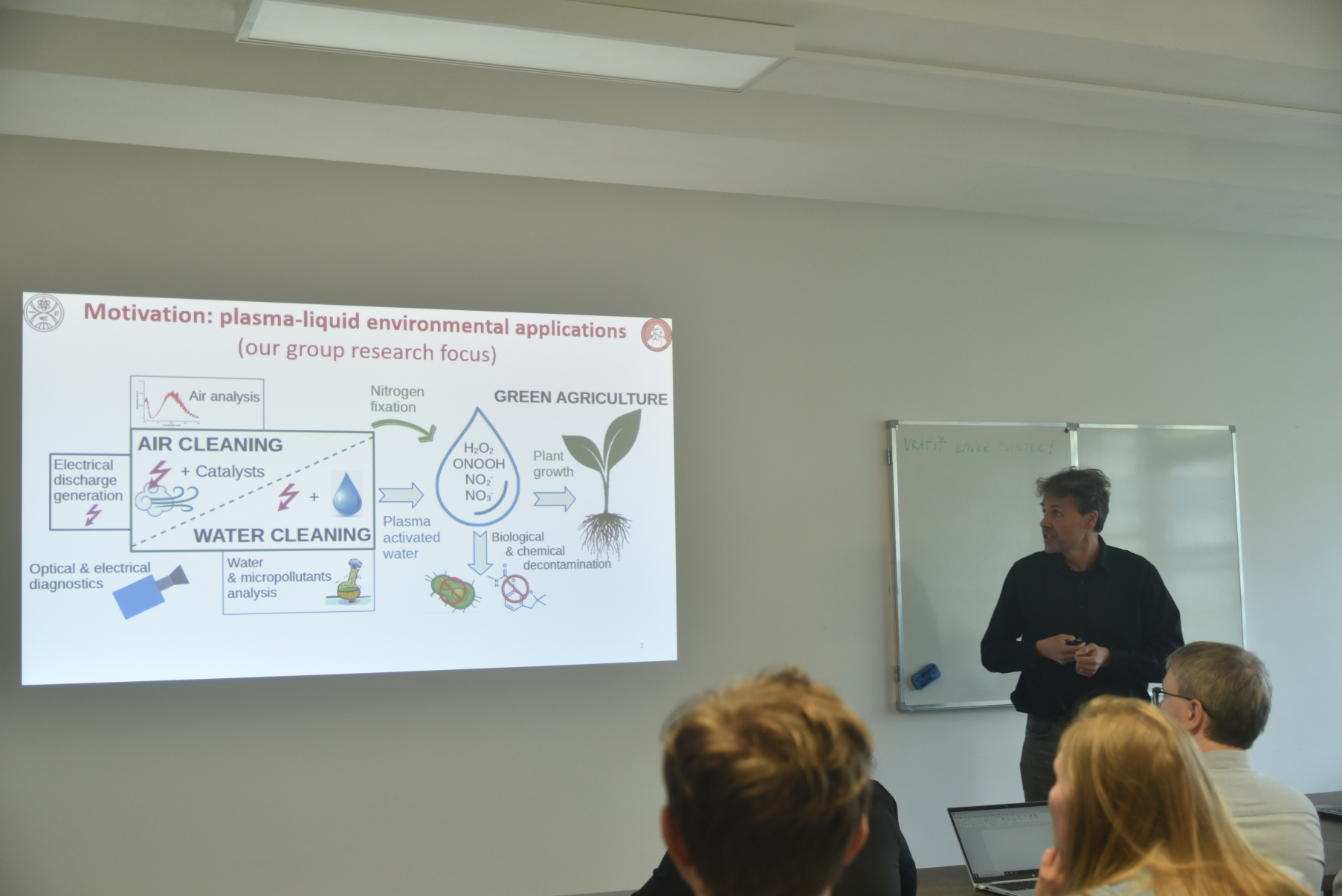 The kick-off internal seminar of the 'EnvADWICE' project was held on 18.9.2024
with the presentation of prof. Machala, who presented the project and its work
packages, objectives, and milestones to all members of the Environmental
Physics division, including all PhD. students, and some Bc. and MSc. students.
The focus was on WP2 - Water cleaning: "Production and Transport of Reactive
Oxygen / Nitrogen Species from Cold Plasma into Liquid Water Bulk /
Aerosols".
The kick-off internal seminar of the 'EnvADWICE' project was held on 18.9.2024
with the presentation of prof. Machala, who presented the project and its work
packages, objectives, and milestones to all members of the Environmental
Physics division, including all PhD. students, and some Bc. and MSc. students.
The focus was on WP2 - Water cleaning: "Production and Transport of Reactive
Oxygen / Nitrogen Species from Cold Plasma into Liquid Water Bulk /
Aerosols".
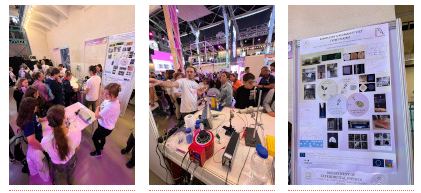 We presented our research related to the EnvAdwice project at Science Night Festival in Bratislava.
The European Night of Science is the largest science festival in Slovakia, which brings news and information from the world of research and innovation in an inspiring and unique way. With a new name, it builds on the successful tradition of the Researchers' Night event.
The festival traditionally takes place on the last Friday of September in Bratislava, Košice, Banská Bystrica, Žilina, Poprad and other accompanying locations. The all-day program offers a series of scientific presentations, discussions, practical experiments, workshops, technological attractions and much more!
We presented our research related to the EnvAdwice project at Science Night Festival in Bratislava.
The European Night of Science is the largest science festival in Slovakia, which brings news and information from the world of research and innovation in an inspiring and unique way. With a new name, it builds on the successful tradition of the Researchers' Night event.
The festival traditionally takes place on the last Friday of September in Bratislava, Košice, Banská Bystrica, Žilina, Poprad and other accompanying locations. The all-day program offers a series of scientific presentations, discussions, practical experiments, workshops, technological attractions and much more!
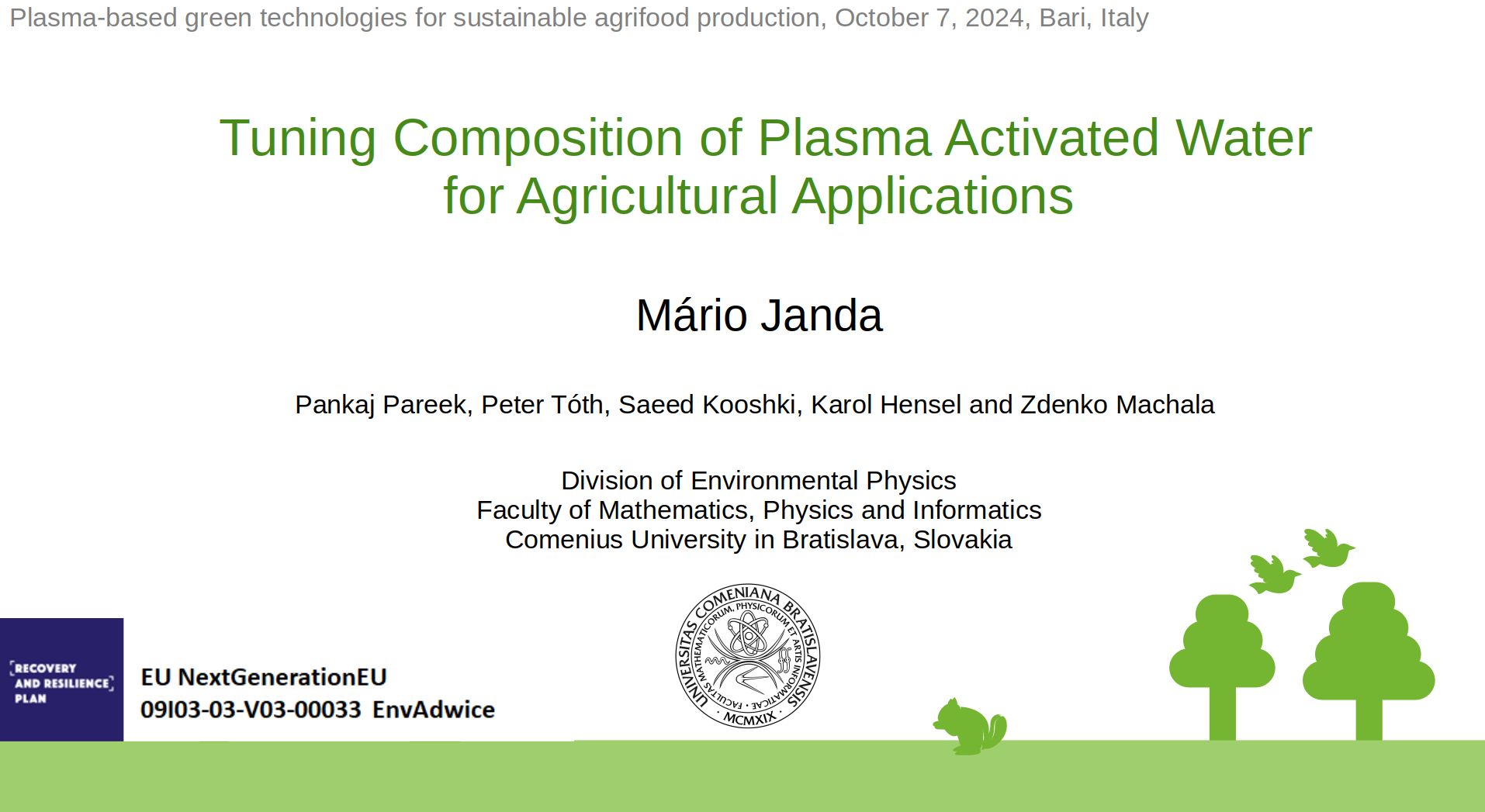 Our colleague and Work Package 2 leader, Assoc. Prof. Mario Janda, PhD., had an invited lecture about our research related to the EnvAdwice project at 2nd Workshop '
Plasma-based green technologies for sustainable agrifood production', organized by Universita degli studi di Bari Aldo Moro in October 7, 2024, in Bari, Italy.
RESPONSABILE SCIENTIFICO: Rita Milvia De Miccolis Angelini (ritamilvia.demiccolisangelini@uniba.it); MODERATORI: Paolo Francesco Ambrico ISTP – CNR, Francesco Faretra DiSSPA – UNIBA.
Our colleague and Work Package 2 leader, Assoc. Prof. Mario Janda, PhD., had an invited lecture about our research related to the EnvAdwice project at 2nd Workshop '
Plasma-based green technologies for sustainable agrifood production', organized by Universita degli studi di Bari Aldo Moro in October 7, 2024, in Bari, Italy.
RESPONSABILE SCIENTIFICO: Rita Milvia De Miccolis Angelini (ritamilvia.demiccolisangelini@uniba.it); MODERATORI: Paolo Francesco Ambrico ISTP – CNR, Francesco Faretra DiSSPA – UNIBA.
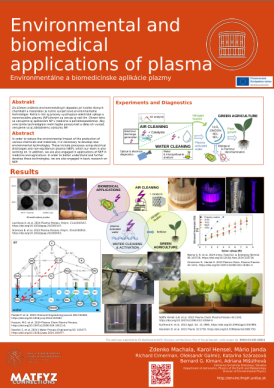 We had several poster presentations at MatFyz CONNECTIONS 2024 conference.
Student's session:
| Zuzana Okruhlicová, Karol Hensel: Cold Atmospheric Plasma for Mould Control, Abstract No. 10 |
| Ramin Mehrabifard, Bernard Gitura, Zdenko Machala: Combined Antimicrobial Properties of Ultraviolet Radiation and Plasma-Activated Water, Abstract No. 11. |
| Jana Kšanová, Richard Cimerman, Christian Oberste-Beulmann, Leonid Satrapinskyy, Peter Švec, Karol Hensel: Nonthermal Plasma Regeneration of Deactivated Catalysts, Abstract No. 33 |
| Peter Tóth, Pankaj Pareek, Sergei Smirnov, Mário Janda: Optical diagnostics of transient spark with electrospray, Abstract No. 35 |
| Mário Janda, Zdenko Machala, Karol Hensel: Environmentálne a biomedicínske aplikácie plazmy, Abstract No. 19 |
| Thomas Vazquez, Aleksandra Lavrikova, Dalimír Wiederman, Jan Babic, and Zdenko Machala: Non-thermal plasma with photocatalysis for decontamination of bacteria and VOC from indoor air, Abstract No. 36 |
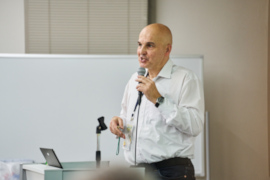 The quarterly seminar of the 'EnvADWICE' project was held on 18.12.2024 with
the presentation of prof. Hensel
to all members of the Environmental Physics
division,
on the topic of "Electrical Discharges In
Capillary Tubes And Honeycomb Monoliths with applications to air cleaning".
The quarterly seminar of the 'EnvADWICE' project was held on 18.12.2024 with
the presentation of prof. Hensel
to all members of the Environmental Physics
division,
on the topic of "Electrical Discharges In
Capillary Tubes And Honeycomb Monoliths with applications to air cleaning".
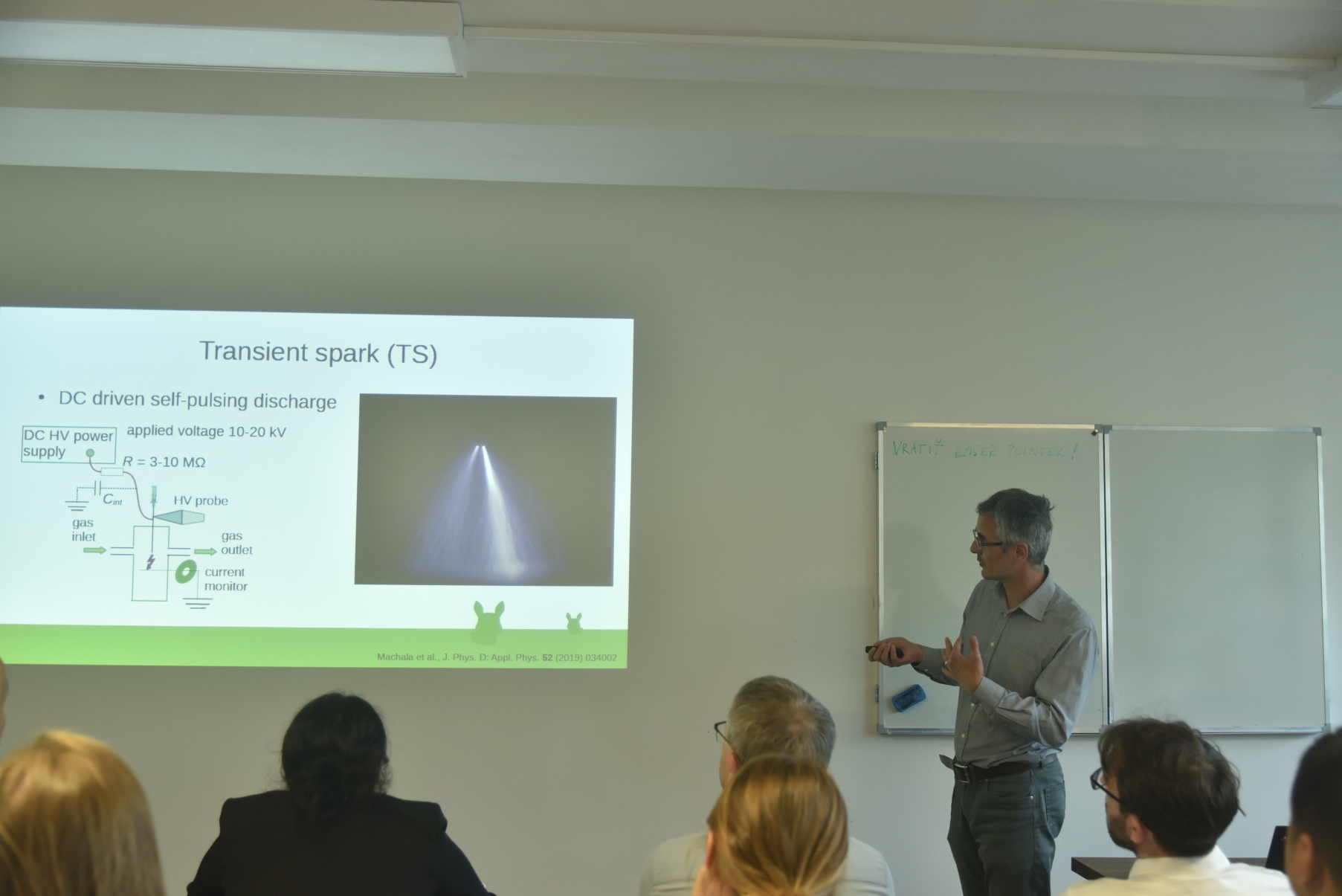 The quarterly seminar of the 'EnvADWICE' project was held on 19.03.2025 with
the presentation and practical training of prof. Mario Janda
to all members of
the Environmental Physics division,
on the topic of "Data processing :
transient spark power, and absorption and emission spectra."
The quarterly seminar of the 'EnvADWICE' project was held on 19.03.2025 with
the presentation and practical training of prof. Mario Janda
to all members of
the Environmental Physics division,
on the topic of "Data processing :
transient spark power, and absorption and emission spectra."
The topic continued by the seminar given by**Alex Destrieux, PhD on the topic
of: Electrical and optical characterization of atmospheric pressure
dielectric barrier discharge during material treatment".
 The quarterly seminar of the 'EnvADWICE' project was held on 11.06.2025 with
the presentation of Dr. Kiran Ahlawat to all members of
the Environmental Physics division, on the topic of "DBD Plasma-Based UV-C
Excimer Light Sources and Their Applications in Advanced Oxidation Processes
for Wastewater Treatment".
The quarterly seminar of the 'EnvADWICE' project was held on 11.06.2025 with
the presentation of Dr. Kiran Ahlawat to all members of
the Environmental Physics division, on the topic of "DBD Plasma-Based UV-C
Excimer Light Sources and Their Applications in Advanced Oxidation Processes
for Wastewater Treatment".
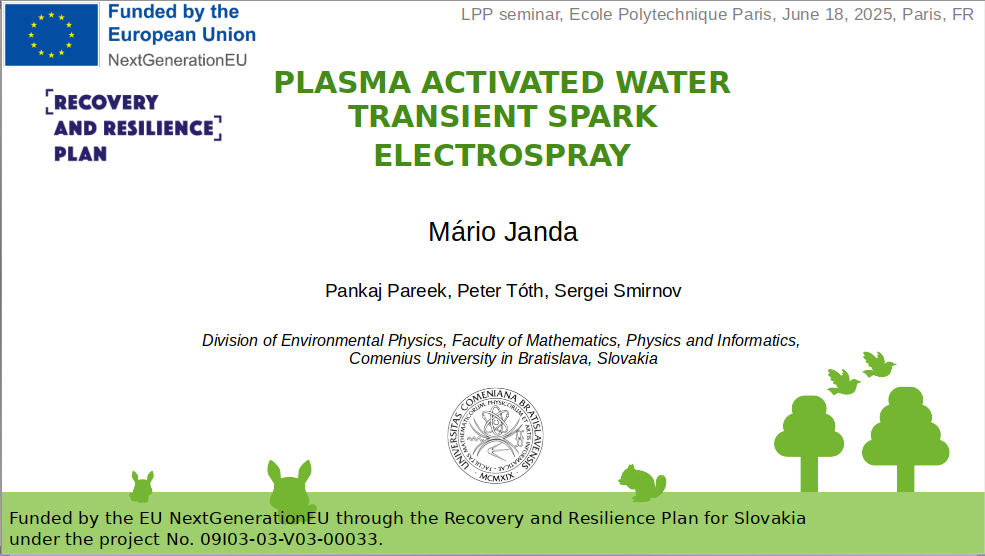 Our colleague and Work Package 2 leader, Assoc. Prof. Mario Janda, PhD., had a talk at seminar
at Ecole Polytechnique Paris, LPP institute. The visit to Paris was related to the bilateral project APVV SK-FR-22-0014, but the talk was also about results obtained within the EnvADWICE project, mainly related to the WP2 and plasma water interactions.
The talk was requested by Dr. Dave Pai.
Our colleague and Work Package 2 leader, Assoc. Prof. Mario Janda, PhD., had a talk at seminar
at Ecole Polytechnique Paris, LPP institute. The visit to Paris was related to the bilateral project APVV SK-FR-22-0014, but the talk was also about results obtained within the EnvADWICE project, mainly related to the WP2 and plasma water interactions.
The talk was requested by Dr. Dave Pai.
 The quarterly seminar of the 'EnvADWICE' project was held on 18.12.2024 with
the presentation of M.Sc. Pankaj Pareek
to all members of the Environmental Physics
division,
on the topic of "Ozone enhanced nitrogen fixation - combination of transient spark with ozone generator".
The quarterly seminar of the 'EnvADWICE' project was held on 18.12.2024 with
the presentation of M.Sc. Pankaj Pareek
to all members of the Environmental Physics
division,
on the topic of "Ozone enhanced nitrogen fixation - combination of transient spark with ozone generator".
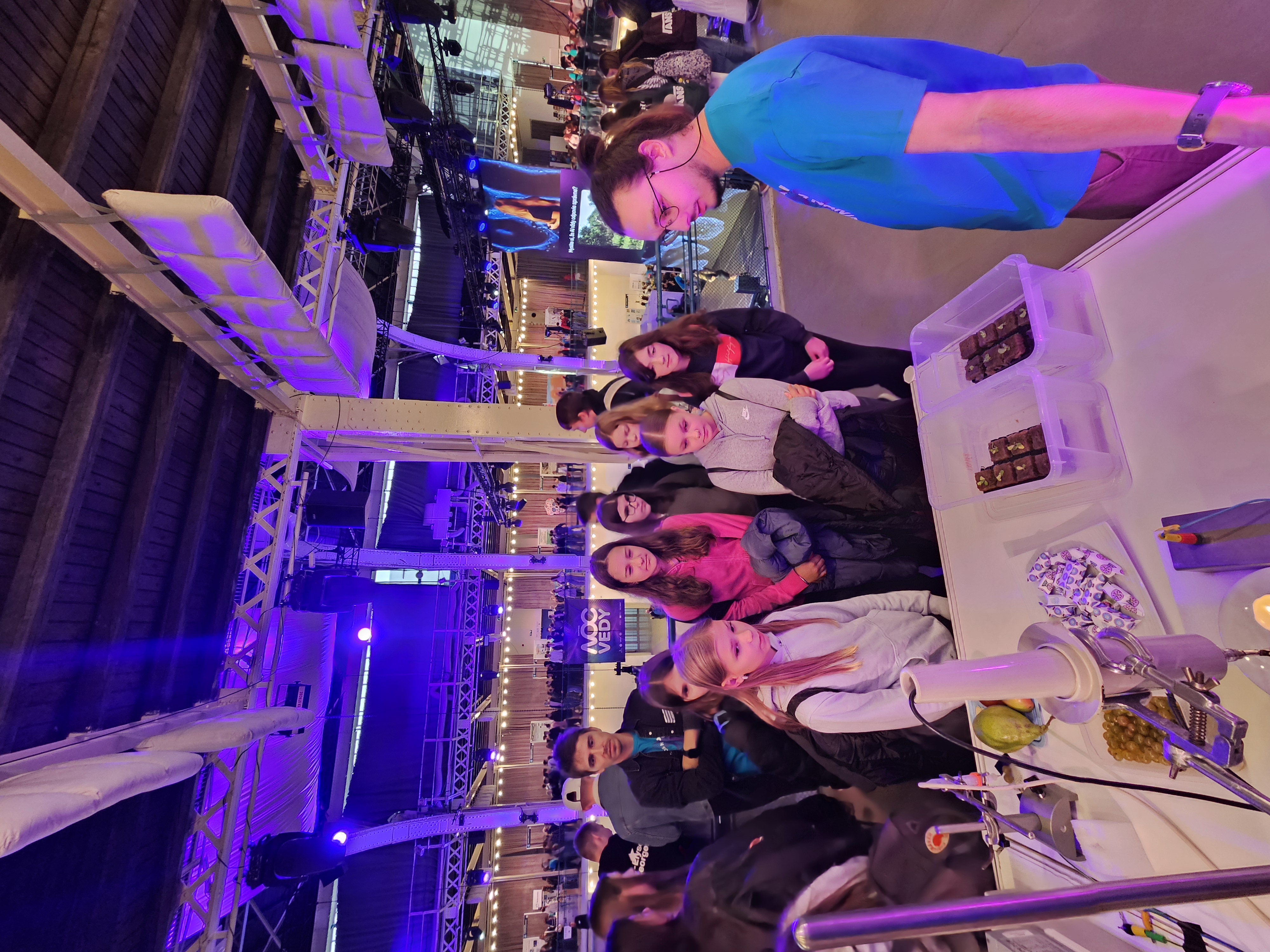 We presented our research related to the EnvAdwice project at Science Night Festival in Bratislava.
The European Night of Science is the largest science festival in Slovakia, which brings news and information from the world of research and innovation in an inspiring and unique way. With a new name, it builds on the successful tradition of the Researchers' Night event.
The festival traditionally takes place on the last Friday of September in Bratislava, Košice, Banská Bystrica, Žilina, Poprad and other accompanying locations. The all-day program offers a series of scientific presentations, discussions, practical experiments, workshops, technological attractions and much more!
We presented our research related to the EnvAdwice project at Science Night Festival in Bratislava.
The European Night of Science is the largest science festival in Slovakia, which brings news and information from the world of research and innovation in an inspiring and unique way. With a new name, it builds on the successful tradition of the Researchers' Night event.
The festival traditionally takes place on the last Friday of September in Bratislava, Košice, Banská Bystrica, Žilina, Poprad and other accompanying locations. The all-day program offers a series of scientific presentations, discussions, practical experiments, workshops, technological attractions and much more!
We had several poster presentations at MatFyz CONNECTIONS 2025 conference.
List of our posters:
| Mehrabifard, R., Chithran, A.,Kimani Gitura, B., Machala, Z., Reactive species stability in plasma-activated water generated by different atmospheric pressure plasmas |
| Ahlawat, K., Chithran, A., Janda, M., Machala, Z., Rapid Degradation of Coumarin via In Situ Hydroxyl Radical Generation Induced by Recycled Gas from a DBD Plasma Bubble Reactor |
| Destrieux, A., Lavrikova, A., Vazquez, T., Machala, Z., Large scale air decontamination system using dielectric barrier discharge combined with UV activated TiO2 |
| Janda, M., Veis, M., Pareek, P., Veis, P., Atikukke, S., Quantification of eroded Fe contamination in plasma activated water using Surface Assisted LIBS |
| Mišúthová, A., Lukačová, Z., Mehrabifard, R., Machala, Z., Plasma-activated water enhances growth, antioxidant activity and sensory quality of hydroponically grown lettuce |
| Jangra, R., Selvaraj, G., Hensel, K. Non-Thermal Plasma-Assisted VOC Decomposition: Influence of Catalyst Type, Electron Energy, and Gas Residence Time |
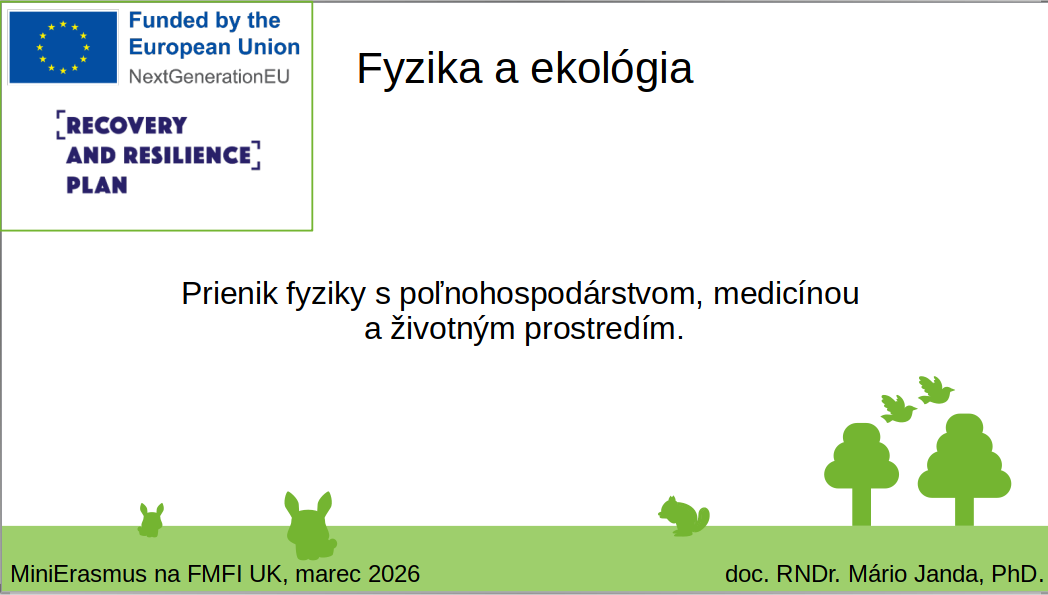 Our colleague and Work Package 2 leader, Assoc. Prof. Mario Janda, PhD., had a talk for high school students within the
MiniErasmus framework. The title of the lecture was
"Fyzika a ekológia - Prienik fyziky s poľnohospodárstvom, medicínou a životným prostredím". Students were thus informed about our research related to the EnvAdwice project.
Our colleague and Work Package 2 leader, Assoc. Prof. Mario Janda, PhD., had a talk for high school students within the
MiniErasmus framework. The title of the lecture was
"Fyzika a ekológia - Prienik fyziky s poľnohospodárstvom, medicínou a životným prostredím". Students were thus informed about our research related to the EnvAdwice project.
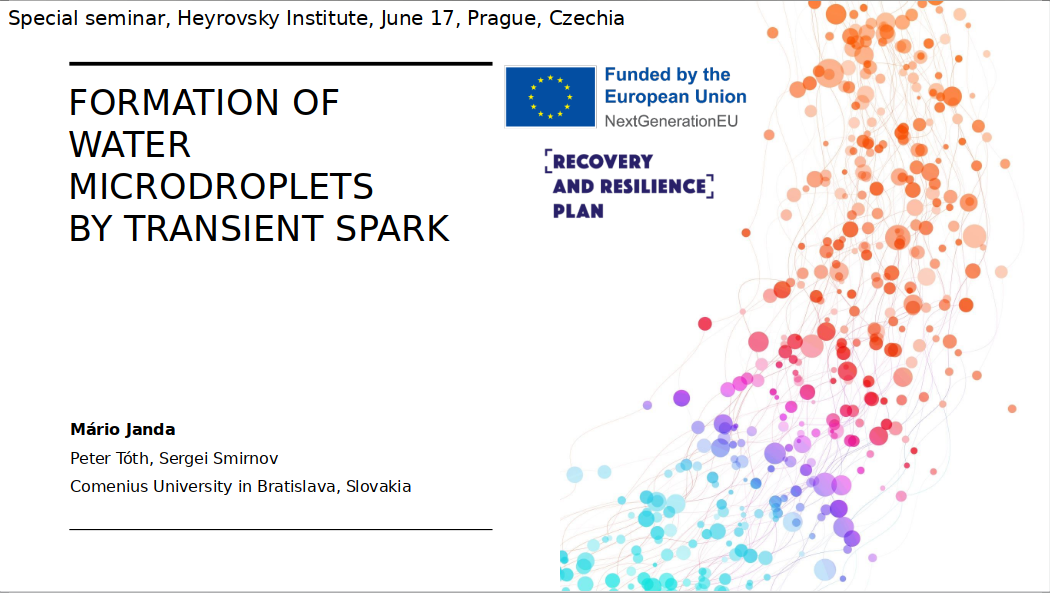 Our colleague and Work Package 2 leader, Assoc. Prof. Mario Janda, PhD., had a talk at special seminar of the Heyrovsky institute of the Czech Academy of Science, in Prague. The talk was about results obtained within the EnvADWICE project, mainly related to the WP2 and plasma water interactions.
The talk was requested by Dr. Juraj Fedor, head of the Department of Dynamics of Molecules and Clusters at the Heyrovsky Institute.
Our colleague and Work Package 2 leader, Assoc. Prof. Mario Janda, PhD., had a talk at special seminar of the Heyrovsky institute of the Czech Academy of Science, in Prague. The talk was about results obtained within the EnvADWICE project, mainly related to the WP2 and plasma water interactions.
The talk was requested by Dr. Juraj Fedor, head of the Department of Dynamics of Molecules and Clusters at the Heyrovsky Institute.
 All meambers of our team, including PhD students, had had an oral presentation. As guests, we has also our M.Sc. students and prof. Johanna Pawlat from Lublin Technical University.
List of presentations:
| Kiran Ahlawat: Decoupling Pollutant Degradation and Nitrogen Fixation in a Dual-Stage DBD Plasma-Bubble Reactor | Tue 23.6., 09:00 |
| Akshara Chitran: Fenton Hybrid Approach for the Removal of Tetracycline (TC) From Wastewater | Tue 23.6., 09:15 |
| Mohammed Abdulsalam: Optimization of a Modified Fountain DBD Plasma-WO3 System | Tue 23.6., 09:30 |
| Ramin Mehrabifard: XXX | Tue 23.6., 09:45 |
| Peter Toth: Interaction of Transient Spark with Electrospray | Tue 23.6., 10:00 |
| Sergei Smirnov: Study of transient spark using schlieren imaging | Tue 23.6., 10:15 |
| Mário Janda: Plasma water interactions, chemistry, visualization and challenges | Tue 23.6., 10:30 |
| Adriana Misuthova: Plasma-Activated Water in Hydroponic and Aeroponic Systems for Leafy Vegetables | Tue 23.6., 11:00 |
| Shivang Singh: Plasma-Activated Water as a Sustainable Nitrogen Source for Controlled Environment Agriculture | Tue 23.6., 11:15 |
| Bernard G Kimani: Plasma-Activated Water and Natural Bioactive Compounds | Tue 23.6., 11:30 |
| Oleksandr Galmiz: Antibacterial properties of SBDB | Tue 23.6., 11:45 |
| Zlata Kelar Tucekova: RNS generation and N-fixation into the water using gaseous media plasma-activated by Transient Spark | Tue 23.6., 12:00 |
| Zdenko Machala: Scaled-up multistage transient spark system for N-fixation | Tue 24.6., 09:00 |
| Karol Hensel: Intro air cleaning | Tue 24.6., 09:15 |
| Rashid Aripram: Plasma-Catalytic Benzene Removal in Packed DBD Reactors | Tue 24.6., 09:30 |
| Gokul Selvaraj: Honeycomb discharges for diesel exhaust cleaning | Tue 24.6., 09:45 |
| Richard Cimerman: Nonthermal plasma and plasma catalysis for gas cleaning and catalyst regeneration | Tue 24.6., 10:00 |
| Alex Destrieux: Large indoor air decontamination system combining DBD and photocatalysis | Tue 24.6., 10:15 |
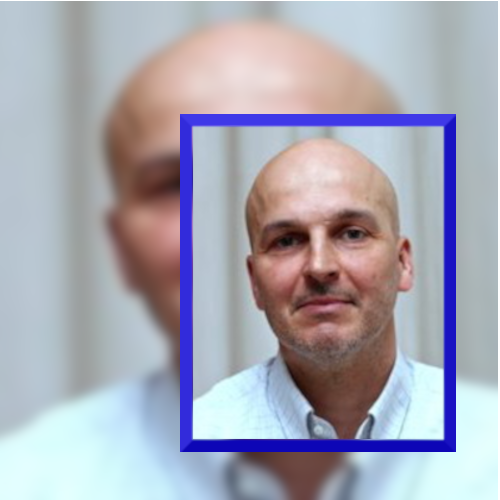
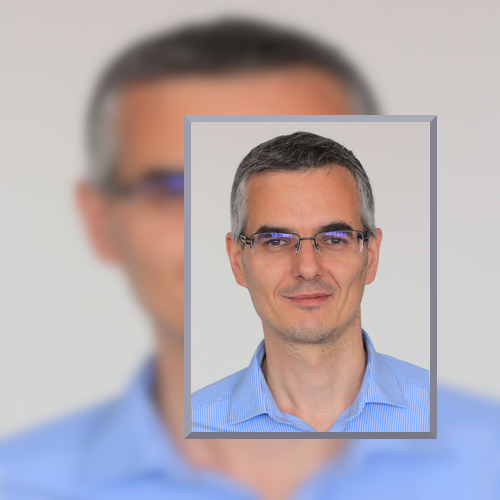

Pavel Veis (R4 level researcher).
Richard Cimerman (R2 level researcher).
Sahithya Atikukke (R2 level researcher).
Adriana Mišúthová (R2 level researcher).
Zlatka Kelar-Tučeková (R2 level researcher).
Ján Čatloš (project administrator).
Katarína Szárazová (laboratory technician).
Michal Amena (technician).